
How to Choose the Right Water Softener

Water hardness is a common issue that affects many households. If you've ever noticed scale buildup on your faucets or experienced soap not lathering well, you might be dealing with hard water. A water softener can be a great solution to this problem, but with so many options available, how do you choose the right one? In this guide, we will explore the key factors to consider when selecting a water softener that meets your needs.

Understanding Water Hardness
Before diving into the selection process, it's essential to understand what water hardness is. Water hardness is primarily caused by the presence of minerals, particularly calcium and magnesium. These minerals can lead to various issues, including:
Scale buildup in pipes and appliances
Reduced efficiency of soaps and detergents
Dry skin and hair after washing
To determine if you have hard water, you can use a water hardness test kit, which is available at most home improvement stores.
Types of Water Softeners
There are several types of water softeners available on the market. Understanding the differences can help you make an informed decision:
Salt-Based Water Softeners
Salt-based water softeners are the most common type. They use a process called ion exchange to remove calcium and magnesium ions from the water, replacing them with sodium ions. While effective, they do require regular maintenance, including adding salt to the system.
Salt-Free Water Softeners
Salt-free systems do not remove minerals but instead condition the water to prevent scale buildup. These systems are often more environmentally friendly and require less maintenance. However, they may not be as effective in areas with extremely hard water.
Dual-Tank Water Softeners
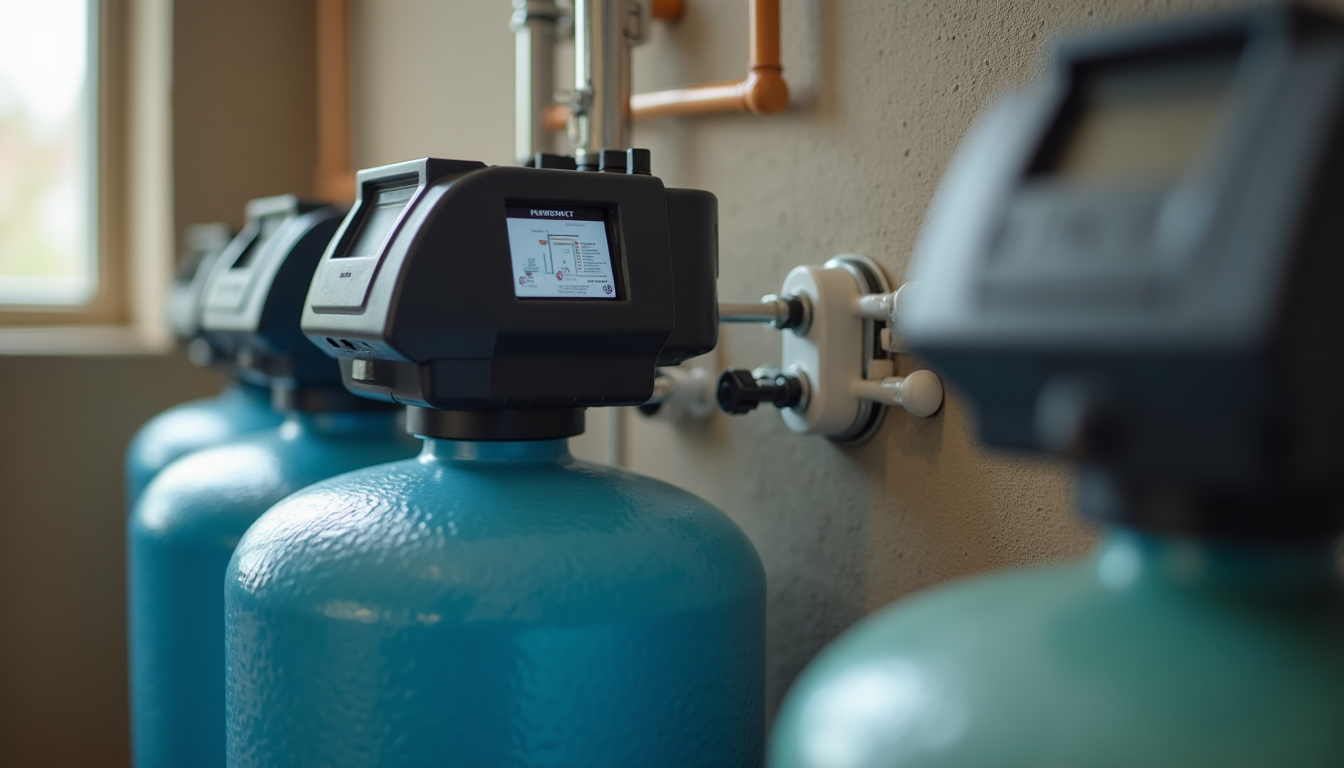
For larger households, a dual-tank water softener can be beneficial. These systems have two tanks, allowing one to regenerate while the other is in use. This ensures a continuous supply of softened water, making them ideal for high-demand situations.
Magnetic Water Softeners
Magnetic water softeners use magnets to alter the properties of minerals in the water, preventing them from forming scale. While some users report positive results, scientific evidence supporting their effectiveness is limited.
Factors to Consider When Choosing a Water Softener
When selecting a water softener, consider the following factors:
Water Hardness Level
The first step is to determine your water hardness level. This will help you choose a system that can effectively handle the mineral content in your water. Most water softeners have a capacity rating, usually measured in grains, indicating how much hardness they can remove before needing regeneration.
Household Size and Water Usage
Consider the size of your household and your daily water usage. A larger family will require a more robust system to ensure an adequate supply of softened water. Look for models that can handle your peak water usage, especially during busy times like mornings or evenings.
Regeneration Process
Different water softeners have varying regeneration processes. Some systems regenerate based on a timer, while others use a demand-initiated regeneration system that only regenerates when necessary. Demand-initiated systems can be more efficient and save on salt and water usage.
Maintenance Requirements
All water softeners require some level of maintenance. Salt-based systems need regular salt refills, while salt-free systems may require occasional cleaning. Consider how much time and effort you are willing to invest in maintaining your water softener.
Cost and Budget
Water softeners come in a range of prices. While it may be tempting to go for the cheapest option, consider the long-term costs, including maintenance and salt usage. Investing in a quality system can save you money in the long run by reducing wear and tear on your plumbing and appliances.
Installation Considerations
Once you've chosen a water softener, you'll need to consider installation. Some systems are designed for DIY installation, while others may require professional help. If you're not comfortable with plumbing, hiring a professional can ensure the system is installed correctly.
Space Requirements
Water softeners can take up a significant amount of space, so ensure you have enough room in your home for the unit. Measure the area where you plan to install the softener and check the dimensions of the unit before purchasing.
Plumbing Compatibility
Ensure that the water softener you choose is compatible with your home's plumbing system. Most systems connect to the main water line, but some may require additional fittings or modifications.
Benefits of Using a Water Softener
Investing in a water softener can provide numerous benefits, including:
Improved appliance efficiency: Softened water can help appliances like dishwashers and washing machines work more effectively, reducing energy costs.
Longer lifespan for plumbing: By preventing scale buildup, water softeners can extend the life of your pipes and fixtures.
Softer skin and hair: Many users report that softened water leaves their skin feeling smoother and their hair more manageable.
Common Myths About Water Softeners
There are several misconceptions about water softeners that can lead to confusion. Here are a few common myths debunked:
Myth 1: Water Softeners Remove All Minerals
While water softeners do remove calcium and magnesium, they do not eliminate all minerals. Some beneficial minerals, such as potassium, may still be present in softened water.
Myth 2: Softened Water is Unhealthy
Some people believe that softened water is unhealthy due to its sodium content. However, the amount of sodium added is typically minimal and poses no health risks for most individuals. If you have specific health concerns, consult with a healthcare professional.
Myth 3: All Water Softeners are the Same
Not all water softeners are created equal. Different systems have varying capacities, regeneration processes, and maintenance requirements. It's essential to choose a system that fits your specific needs.
Conclusion
Choosing the right water softener can significantly improve your home's water quality and overall comfort. By understanding your water hardness level, household size, and maintenance preferences, you can select a system that meets your needs. Remember to consider installation requirements and debunk common myths to make an informed decision.
Investing in a quality water softener not only enhances your daily life but also protects your plumbing and appliances. Take the time to research and choose wisely, and you'll enjoy the benefits of softened water for years to come.

Comments