
A Complete Guide to Better Home Water Quality in Livermore, CA

Hard water is a common concern for homeowners across Northern California. From white mineral deposits on faucets to cloudy glassware and dry-feeling skin, excess minerals in household water can affect everyday comfort. Choosing the right water softener in Northern California can help address these problems and improve your home's water quality. For homeowners in Livermore, CA, understanding local water conditions, available treatment options, and installation requirements is an important first step. In this guide, we will explore how water softeners work, what to consider before installation, and how AWP Water Systems can help you find a suitable solution.

Understanding Hard Water in Northern California
Hard water contains naturally occurring minerals, mainly calcium and magnesium. These minerals enter groundwater as water moves through soil and rocks. Although they are not generally considered a health concern at normal drinking-water levels, they can create noticeable problems around the home.
Livermore homeowners may experience varying levels of water hardness depending on their water source and seasonal conditions. According to Livermore Municipal Water, its supplied water typically contains approximately 213–287 parts per million (ppm) of calcium carbonate, placing it in the moderately hard to very hard range.
Common signs of hard water include:
White or chalky deposits around faucets and showerheads.
Soap that does not lather easily.
Cloudy spots on dishes and glassware.
Mineral buildup inside water heaters and plumbing.
Laundry that feels stiff after washing.
Soap scum on bathroom surfaces.
Recognizing these signs can help homeowners determine whether professional water testing is worthwhile.
Why Consider a Water Softener in Northern California?
A properly selected water treatment system can make everyday household activities more comfortable. A water softener works by reducing calcium and magnesium minerals that contribute to water hardness.
Here are some practical benefits homeowners may experience.
1. Helps Reduce Mineral Scale
Hard water minerals can accumulate inside pipes, water heaters, dishwashers, and other appliances. Over time, this buildup can affect water flow and heating efficiency.
A suitable softening system helps reduce hardness minerals before they accumulate throughout the plumbing system.
2. Improves Bathing and Showering Comfort
Hard water can make soap less effective and leave mineral residue on skin and hair. Softer water often makes it easier to create a lather and rinse away soap.
Many homeowners also notice that their skin feels less dry after switching to appropriately treated water.
3. Keeps Dishes and Glassware Cleaner
Have you noticed white spots on drinking glasses even after running the dishwasher? Mineral deposits from hard water may be responsible.
Reducing hardness can help minimize these spots and soap residue, making everyday kitchen cleaning easier.
4. Supports Better Laundry Results
Hard water minerals can interfere with detergents and contribute to residue on fabrics. Treated water can help detergents work more effectively, leaving clothes and towels feeling softer.
Choosing the Right Water Softener in Northern California
Not every home has the same water treatment needs. Before selecting a system, consider your household size, water usage, water source, and existing plumbing.
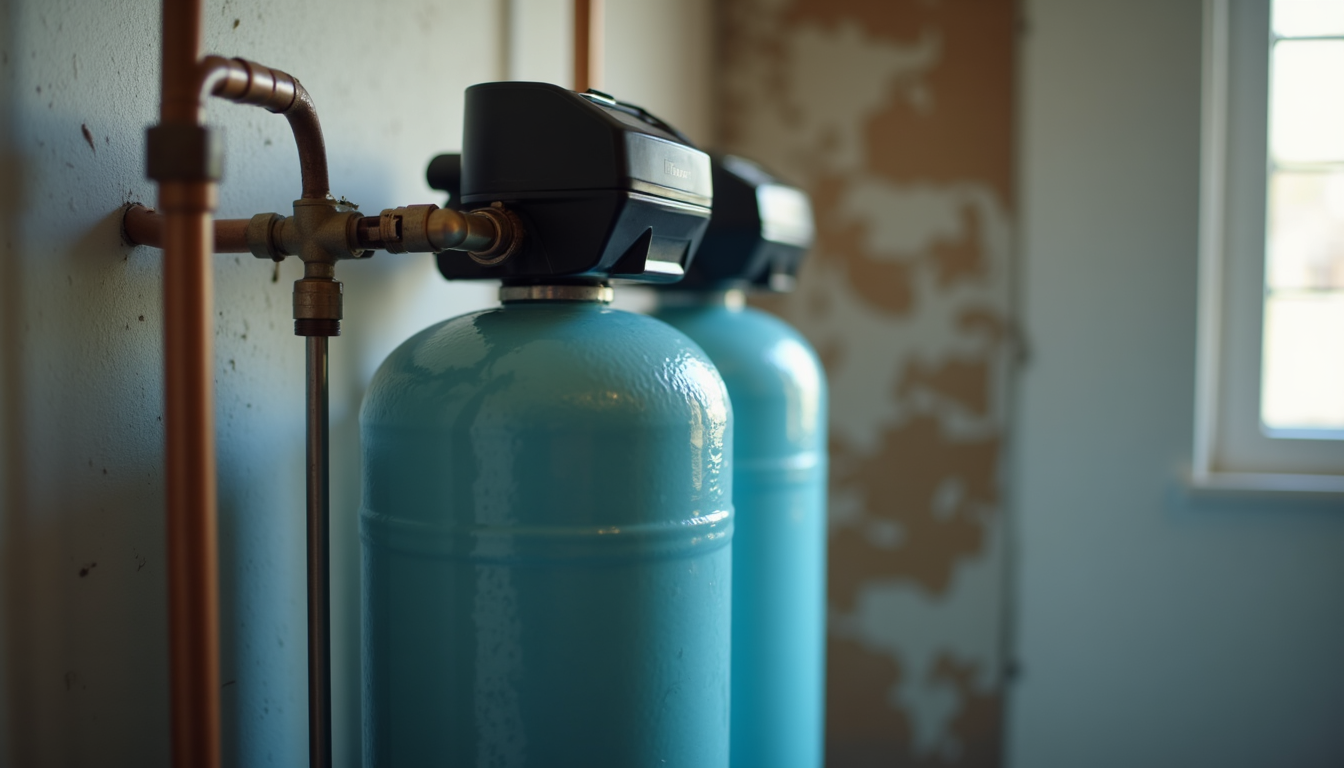
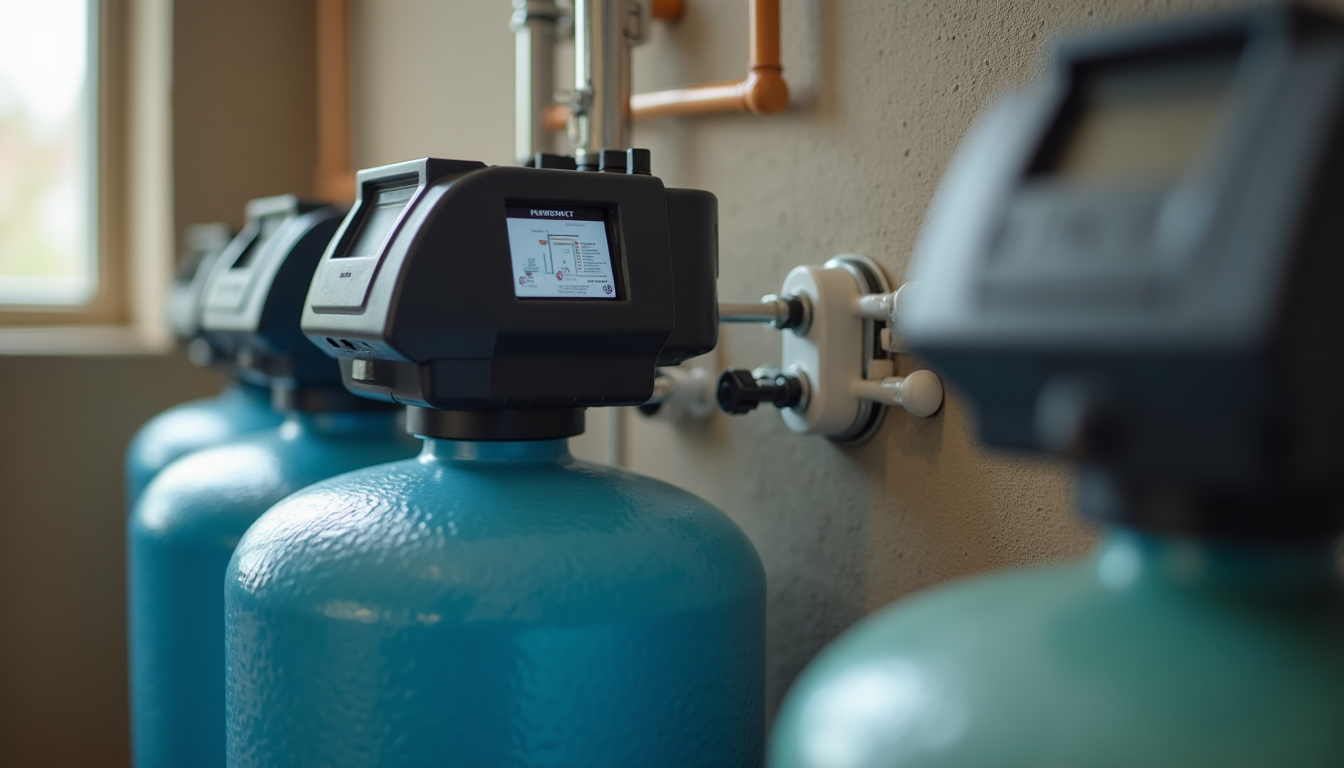
One option for whole-house treatment is the Watts Dual-Media Water Softener & Filter, offered by AWP Water Systems.
This system combines two treatment technologies in one compact tank:
High-Efficiency Ion Exchange Resin: The resin helps remove hardness minerals through an ion-exchange process. This is the primary softening component.
Activated Carbon: The carbon chamber is designed to reduce chlorine, chloramines, unpleasant tastes, and odors.
The two media chambers remain separate, allowing each treatment stage to perform its intended function.
Other features include:
Metered control valves that regenerate according to water usage.
Separate carbon and resin chambers.
Compact, space-saving design.
Vortech distributor technology.
Reduced pressure drop compared with twin-tank systems, according to the manufacturer.
Combining softening and carbon filtration can be a practical approach for households looking to address multiple water-quality concerns.
Water Softener Installation Bay Area: What Homeowners Should Know
Professional water softener installation Bay Area services can help homeowners select and install equipment that matches their plumbing and water conditions.
However, installation involves more than simply connecting a unit to the main water supply.
Before installing a system in Livermore or another Bay Area community, consider these important factors:
1. Test Your Water First
Water hardness and other water-quality characteristics can vary by location. A professional water analysis can help identify the treatment your home actually needs.
2. Check Local Installation Requirements
California has specific plumbing and water-softener requirements. Livermore also provides installation guidance covering demand-controlled regeneration, salt efficiency, plumbing connections, and other conservation measures.
Importantly, Livermore Municipal Water discourages salt-regenerated water softeners because the additional salt entering wastewater can affect recycled water and groundwater quality.
The city suggests considering exchange-tank services as an alternative. Homeowners should review current local requirements before selecting a salt-regenerated system.
3. Evaluate Household Water Usage
A system should be sized according to household demand and measured water hardness. An undersized unit may require frequent regeneration, while an oversized system may increase unnecessary operating costs.
4. Consider Maintenance Requirements
Water treatment equipment needs appropriate maintenance to continue performing effectively. Ask about filter replacement, resin service, regeneration settings, and long-term operating requirements.
Practical Tips for Improving Home Water Quality
Along with choosing an appropriate treatment system, a few simple habits can help manage everyday hard-water problems.
Clean showerheads regularly to remove mineral deposits.
Wipe faucets and shower doors after use.
Follow appliance maintenance instructions to reduce scale buildup.
Replace filtration cartridges according to manufacturer recommendations.
Check your water quality periodically, especially if your water source changes.
Consult a qualified professional before modifying household plumbing.
These steps can help maintain your home's water fixtures and support better overall water management.
Why Choose AWP Water Systems for Home Water Treatment?
Choosing an experienced water treatment provider makes it easier to understand your options and avoid investing in equipment that does not match your household needs.
AWP Water Systems has been serving Northern California and the Central Valley since 1991. The company focuses specifically on residential water filtration and treatment rather than offering these services as an additional plumbing business.
Homeowners can explore several water treatment solutions, including:
Watts water softeners and carbon filtration systems.
Whole-house water filtration.
Reverse osmosis drinking water systems.
Salt-free water conditioning solutions.
UV water treatment systems.
AWP Water Systems also offers a free water analysis to help homeowners understand their water concerns and explore suitable treatment options.
For residents in Livermore and surrounding Bay Area communities, getting professional guidance can make the process of improving household water quality much simpler.
Frequently Asked Questions (FAQs)
1. Do homes in Livermore, CA, need a water softener?
Livermore Municipal Water reports hardness levels of approximately 213–287 ppm, depending on water sources and seasonal conditions. Some households may benefit from softening, but the best solution depends on individual water quality and local installation guidance.
2. How much does water softener installation cost in the Bay Area?
Installation costs depend on system type, capacity, plumbing requirements, and maintenance needs. A professional water assessment and installation quote can help determine the total investment for your home.
3. What is the difference between a water softener and a carbon filter?
A water softener primarily reduces calcium and magnesium through ion exchange. A carbon filter helps reduce substances such as chlorine, chloramines, tastes, and odors. Some systems combine both technologies.
4. How often should a water softener be maintained?
Maintenance schedules depend on the equipment, water conditions, and household usage. Regular inspections, appropriate media or filter replacement, and checking system settings help maintain performance.
Conclusion: Make a Smarter Choice for Your Home's Water
Improving household water quality starts with understanding the problems affecting your home's water supply. From mineral buildup and cloudy dishes to unpleasant tastes and odors, the right treatment approach can make everyday life more comfortable.
If you are considering a water softener in Northern California, start with a professional water analysis and review local installation requirements before choosing a system.
AWP Water Systems can help you explore residential water treatment options, including Watts Dual-Media systems, filtration, and other solutions designed for different household needs.
Comments