
Expert Tips for Water Softener Maintenance

Water softeners are essential appliances for many households, especially in areas with hard water. They help reduce mineral buildup in pipes and appliances, improving the efficiency of your plumbing system and extending the lifespan of your appliances. However, like any appliance, water softeners require regular maintenance to function effectively. In this post, we will explore expert tips for maintaining your water softener, ensuring it operates at peak performance.

Understanding Your Water Softener
Before diving into maintenance tips, it’s crucial to understand how your water softener works. Most water softeners operate using a process called ion exchange. This process replaces hard minerals like calcium and magnesium with sodium ions, effectively softening the water.
Key Components of a Water Softener
Resin Tank: Contains resin beads that facilitate the ion exchange process.
Brine Tank: Holds the salt used to regenerate the resin beads.
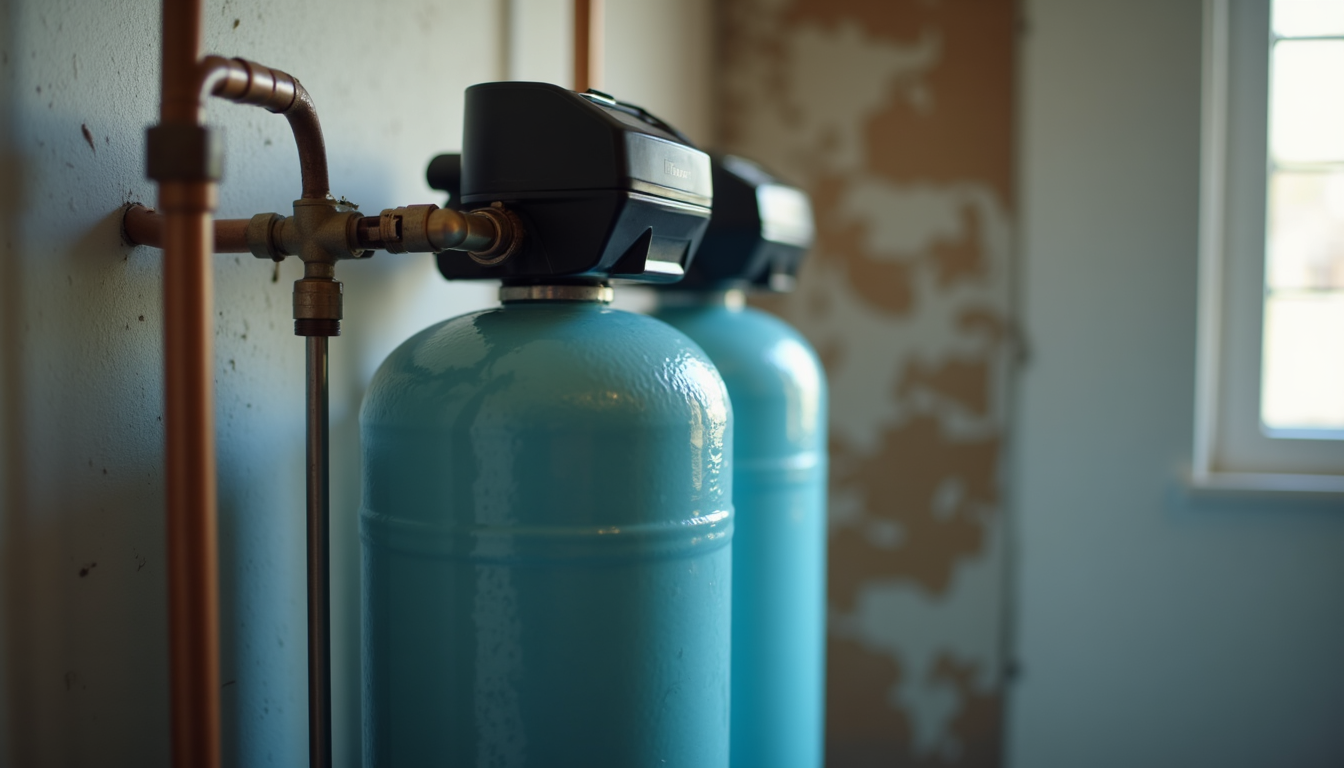
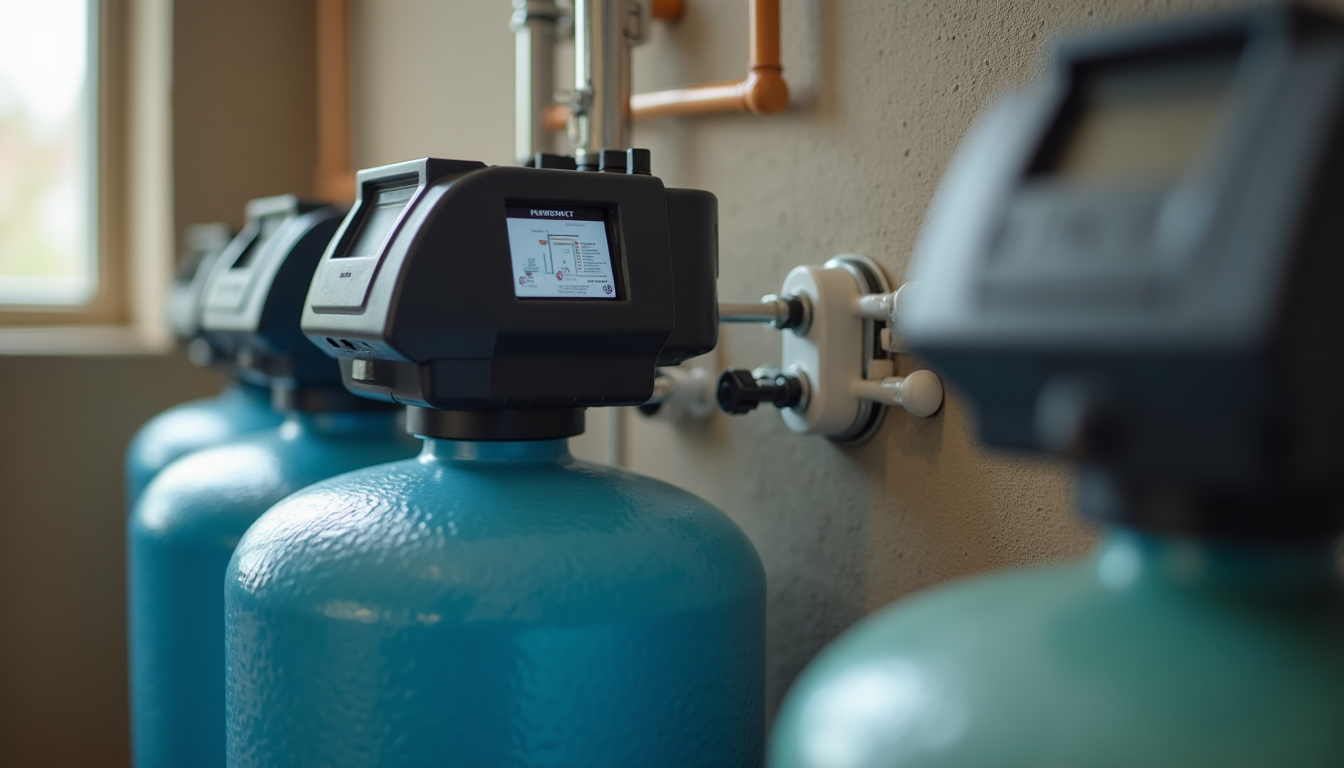
Control Valve: Manages the flow of water through the system and initiates regeneration cycles.
Bypass Valve: Allows you to bypass the softener when necessary.
Understanding these components will help you identify potential issues and perform maintenance more effectively.
Regular Maintenance Tasks
To keep your water softener in top shape, consider the following maintenance tasks:
Check the Salt Level
The salt in the brine tank is essential for the regeneration process. Regularly check the salt level and refill it as needed. Ideally, you should maintain a salt level of about 1/3 to 1/2 full.
Tip: Use high-quality salt to prevent bridging, which can occur when salt forms a solid mass and prevents water from dissolving it.
Clean the Brine Tank
Over time, the brine tank can accumulate sludge and debris. Cleaning it every six months can prevent clogs and ensure efficient operation.
Steps to Clean:
1. Turn off the water softener.
2. Remove the salt and water from the tank.
3. Scrub the tank with a mixture of water and vinegar.
4. Rinse thoroughly before refilling with salt.
Inspect the Resin Beads
Resin beads can wear out over time, affecting the softening process. Inspect them every few years and replace them if they appear discolored or damaged.
Signs of Worn Resin:
- Reduced water softness
- Increased soap usage
- Hard water stains on fixtures
Monitor Water Quality
Regularly test your water quality to ensure your softener is functioning correctly. You can purchase water testing kits or hire a professional service.
What to Test For:
- Hardness levels
- Sodium levels
- Chlorine levels
Schedule Professional Maintenance
While many maintenance tasks can be performed by homeowners, scheduling a professional inspection every few years can help identify issues you may overlook. Professionals can also perform more complex tasks, such as checking the control valve and ensuring the system is calibrated correctly.
Troubleshooting Common Issues
Even with regular maintenance, you may encounter issues with your water softener. Here are some common problems and solutions:
Water is Still Hard
If you notice hard water despite having a water softener, check the following:
Salt Level: Ensure the brine tank has enough salt.
Resin Beads: Inspect for wear and replace if necessary.
Control Valve: Ensure it is functioning correctly.
Salt Bridges
A salt bridge occurs when salt forms a solid mass in the brine tank, preventing it from dissolving. To fix this:
Break up the bridge with a broom handle or similar tool.
Remove any remaining salt and refill the tank.
Low Water Pressure
If you experience low water pressure, it may be due to a clogged filter or resin beads. Check and clean the filter, and inspect the resin for clogs.
Seasonal Maintenance Tips
Depending on your location, seasonal changes can affect your water softener's performance. Here are some seasonal maintenance tips:
Winter Preparation
In colder climates, ensure your water softener is protected from freezing temperatures. Insulate the unit and keep it in a heated area if possible.
Summer Checks
During the summer months, increased water usage can put additional strain on your softener. Monitor the salt levels more frequently and consider increasing the regeneration frequency if necessary.
Conclusion
Maintaining your water softener is essential for ensuring it operates efficiently and effectively. By following these expert tips, you can extend the lifespan of your unit and enjoy the benefits of soft water in your home. Regular checks, cleaning, and professional inspections will keep your water softener in top condition, providing you with the best possible water quality.
Take the time to implement these maintenance practices, and you’ll not only save money on repairs but also enjoy the many advantages of soft water for years to come.

Comments