
High-Efficiency Water Conditioning Systems: A Smarter Approach to Better Water Quality

Water quality plays an important role in everyday comfort, household maintenance, and the performance of plumbing appliances. However, hard water, mineral buildup, and unwanted contaminants can make managing household water more challenging. This is why many homeowners are exploring high-efficiency water conditioning systems as a practical way to improve their water quality.

For homeowners in Livermore, California, choosing the right water treatment solution starts with understanding local water conditions and identifying the problems that need attention. Modern water conditioning technology offers several approaches, from reducing mineral-related issues to improving drinking water quality.
In this guide, we will explain how high-efficiency water conditioning systems work, their potential benefits, what to consider before purchasing one, and how AWP Water Systems' Vesta Water Solutions can help homeowners explore suitable options.
Understanding High-Efficiency Water Conditioning Systems
High-efficiency water conditioning systems are designed to address specific water quality concerns while making effective use of water, filtration media, and other treatment resources.
However, it is important to understand that water conditioning and water filtration are not exactly the same.
Water conditioning focuses on managing hardness minerals and reducing scale-related problems.
Water filtration helps reduce selected substances that affect water taste, odor, or quality.
Reverse osmosis (RO) uses a semipermeable membrane to reduce certain dissolved contaminants in drinking water.
The right system depends on your household's water supply and treatment goals. A system designed to address hard water may not remove every unwanted substance, while a drinking water filter may not protect the entire home's plumbing.
Why High-Efficiency Water Conditioning Systems Matter in Livermore, CA
Water conditions can vary between neighborhoods and water sources. Therefore, homeowners should understand their local water quality before investing in treatment equipment.
According to the City of Livermore, municipal water typically contains approximately 213–287 parts per million (ppm) of calcium carbonate. This falls within the moderately hard to very hard range.
The city also explains that water hardness can change throughout the year because its water supply combines water from different sources.
Hard water minerals can contribute to:
White mineral deposits around faucets and showerheads.
Cloudy spots on glassware and dishes.
Soap residue on bathroom surfaces.
Scale accumulation inside plumbing and appliances.
Reduced cleaning efficiency in certain household applications.
For homeowners experiencing these problems, a properly selected water conditioning system may help manage mineral-related buildup.

Choosing High-Efficiency Water Conditioning Systems for Local Water Conditions
Before selecting equipment, consider three important factors:
Water hardness: Understand the concentration of calcium and magnesium in your water.
Household consumption: Consider the number of occupants and daily water usage.
Treatment requirements: Decide whether you need whole-house conditioning, drinking water filtration, or both.
Livermore homeowners can begin by reviewing their local water quality information or arranging an appropriate water test.
Types of High-Efficiency Water Conditioning Systems
Not every household needs the same treatment technology. Modern systems offer different approaches depending on the water quality concerns being addressed.
1. Dual-Media Water Conditioning Systems
Dual-media systems combine different treatment materials within one unit to address multiple water quality concerns.
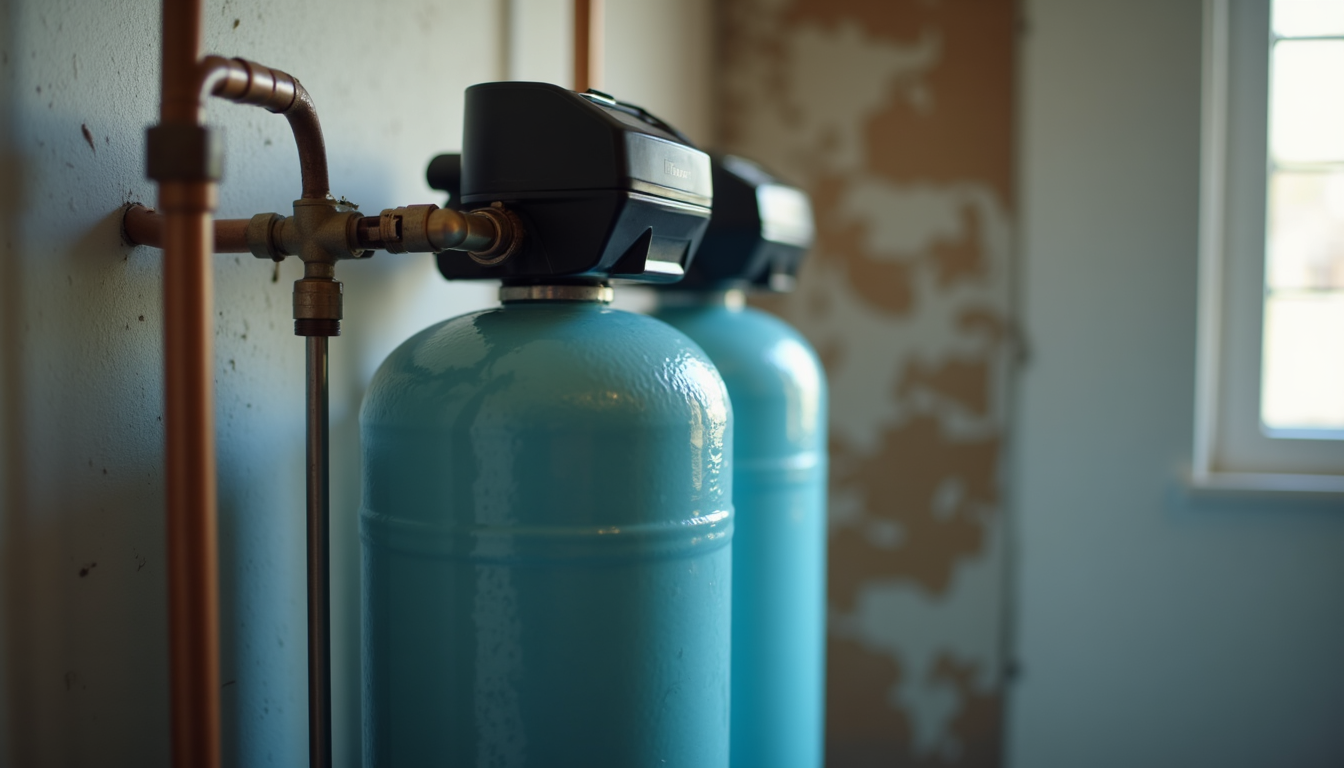
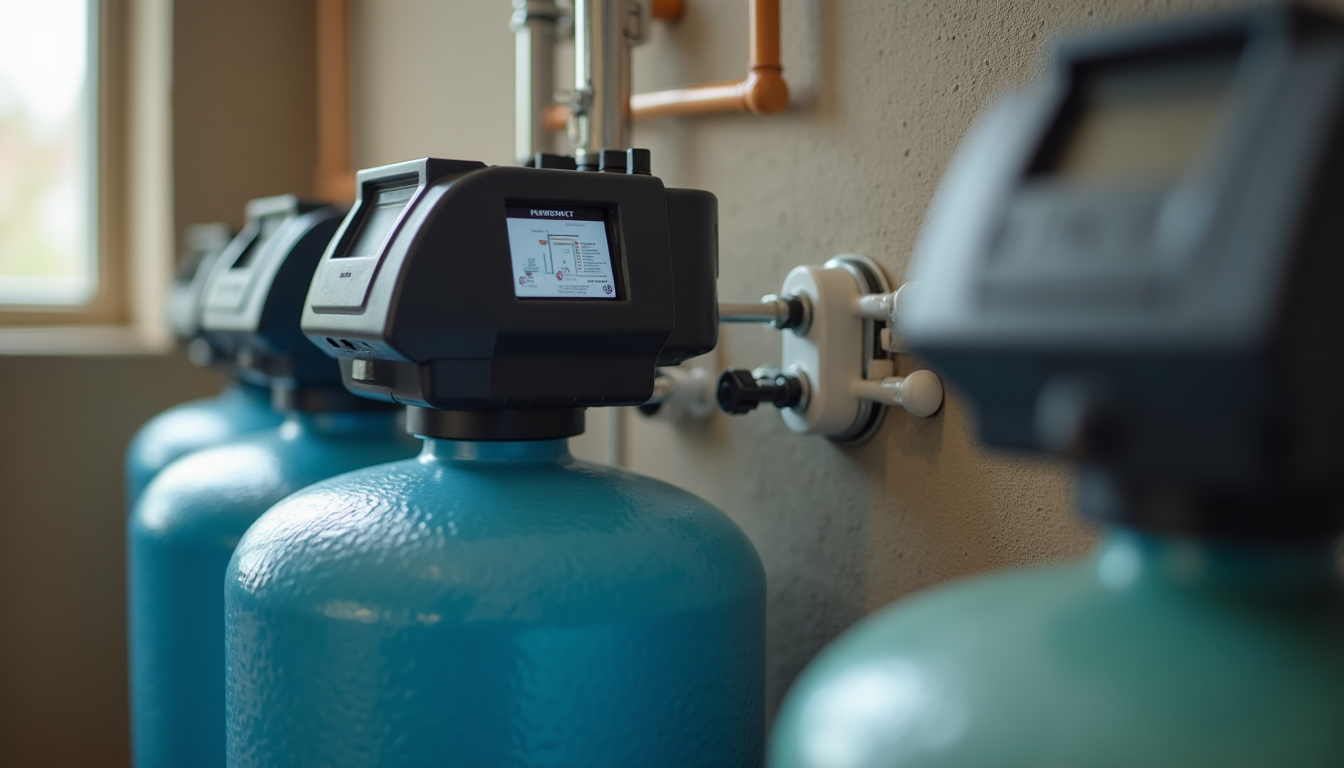
AWP WaterSystems offers Vesta Dual Media Water Conditioners featuring Mid-Vortech tank technology. The system uses two separate media chambers, allowing different treatment media to work independently.
According to the product information, its activated carbon media helps reduce chlorine while addressing unpleasant tastes and odors. The design also supports efficient backwashing and regeneration.
Some listed efficiency features include:
Up to 30% less water required for backwash flow rate.
Separate media chambers for treatment efficiency.
High-flow design.
Efficient softening regeneration to reduce salt consumption.
These features can make dual-media systems worth considering for households looking for combined water conditioning and filtration capabilities.
Softener & RO Systems Northern CA
2. Salt-Free Water Conditioning Systems
Salt-free conditioning systems offer another approach to managing mineral scale.
Unlike conventional ion-exchange water softeners, these systems do not use salt regeneration to remove calcium and magnesium from water.
AWP Water Systems' Vesta salt-free conditioners use FilterSorb SP3 media. According to the product description, this technology changes the structure of scale-forming minerals into microscopic crystals that are less likely to attach to plumbing surfaces.
Listed benefits include:
No salt regeneration.
No backwashing requirement.
No added sodium through the conditioning process.
No intended change in total dissolved solids (TDS).
Preservation of naturally occurring minerals.
One important distinction: salt-free conditioning does not remove hardness minerals in the same way as a conventional ion-exchange softener. Homeowners should understand this difference before choosing a system.
3. Reverse Osmosis Drinking Water Systems
Reverse osmosis is another useful technology for households concerned about drinking water quality.
An RO system pushes water through a semipermeable membrane to reduce certain dissolved substances. Depending on the system's design and certification, it can address several specific contaminants.
Vesta offers a reverse osmosis drinking water system designed for residential use. It provides a point-of-use treatment option for drinking and cooking water.
For homeowners who want conditioned water throughout their property and additional drinking water treatment, combining whole-house conditioning with an appropriate RO system may be worth exploring.
Key Benefits of High-Efficiency Water Conditioning Systems
Selecting suitable equipment can offer several practical advantages.
1. Reduced mineral scale: Appropriate conditioning technology can help manage scale formation on plumbing fixtures and appliances.
2. Better water experience: Carbon filtration can help reduce chlorine-related taste and odor concerns.
3. More efficient water use: Certain systems are designed to use less water during backwashing or operate without backwashing.
4. Household convenience: Whole-house systems treat incoming water, while dedicated drinking water systems provide treatment at selected faucets.
5. Flexible treatment options: Different technologies allow homeowners to address specific concerns instead of purchasing equipment that may not meet their actual needs.
Actual results depend on incoming water quality, equipment specifications, installation, and maintenance.
How to Choose the Right High-Efficiency Water Conditioning System
Choosing a water treatment system should involve more than comparing prices or product features.
Here are some practical steps:
Review your water quality report: Start with your local utility's Consumer Confidence Report.
Test for hardness: Determine whether calcium and magnesium levels are contributing to household problems.
Identify your priorities: Decide whether your main concern is scale, chlorine taste, odor, or drinking water quality.
Compare technologies: Understand the differences between salt-based softeners, salt-free conditioners, carbon filtration, and RO systems.
Check product certifications: Look for independent certification relevant to the specific treatment claims.
Consider long-term costs: Review installation, electricity, salt, filter replacement, water usage, and servicing requirements.
NSF/ANSI standards can help consumers evaluate treatment equipment. For example, NSF/ANSI 42 covers aesthetic effects such as chlorine taste and odor, NSF/ANSI 44 addresses water softeners, and NSF/ANSI 58 applies to reverse osmosis systems. Always verify the exact product model and certified claims rather than assuming every system meets every standard.
Why Consider AWP WaterSystems for Vesta Water Solutions in Livermore?
Choosing a water treatment provider is just as important as selecting the equipment.
AWP WaterSystems has served Northern California and the Central Valley since 1991, with its business address at 480 Lindbergh Avenue, Livermore, CA 94551.
The company specializes in residential water filtration, conditioning, and purification solutions. Its Vesta product range includes dual-media conditioners, salt-free conditioners, and reverse osmosis drinking water systems.
AWP WaterSystems also offers a free water analysis to help homeowners understand their water concerns and explore suitable treatment options.
For Livermore residents, a personalized assessment can be a useful starting point because water conditions and household requirements are not identical.
Frequently Asked Questions (FAQs)
1. What are high-efficiency water conditioning systems?
These are water treatment systems designed to manage specific water quality concerns while optimizing resources such as water, filtration media, and salt. Different technologies provide different treatment results.
2. Are salt-free water conditioners effective for hard water?
Salt-free conditioners can help reduce scale formation, depending on water chemistry and system design. However, they do not remove calcium and magnesium in the same way as traditional salt-based softeners.
3. Do Livermore, CA homeowners need water conditioning?
Livermore municipal water typically falls within the moderately hard to very hard range. Homeowners experiencing mineral deposits or scale buildup may benefit from evaluating suitable water conditioning options.
City of Livermore website
4. How often should a water conditioning system be maintained?
Maintenance requirements depend on the system type, water quality, and manufacturer's recommendations. Homeowners should periodically check filters, media, salt levels where applicable, and system performance.
Comments